
Last Updated on February 20, 2026 by Christine Kaaloa

Are you the type of traveler who is surviving airport layovers? Or do you avoid long layovers during your travels?
I’m experienced in connecting flights and long layovers. Being from Hawaii, I sought budget flights and much of my international trips are long haul flights, with connecting flights and long layovers. I grew to love this type of airport life. I got to planning them into my itinerary as extended trips. Today, I choose my layovers.
In this article, I’m going to share a few of my tips for mastering the art of -not only- surviving but maximizing long layovers. Whether you’re a seasoned traveler or a novice, lets turn your layover into an opportunity for exploration rather than a tiresome waiting game.
Get my trip expense tracker for tracking your international expenses.
The Ultimate Layover Guide to Surviving Airport Layovers
Table of Contents: Surviving Airport Layovers: 15 Ways to Maximize Your Layover
- 1 The Ultimate Layover Guide to Surviving Airport Layovers
- 2 15 Ways to Maximize your Layover
- 2.1 1. Sleeping cabins and pods
- 2.2 2. Research the best free sleeping spots in the airport
- 2.3 3. Left luggage storage
- 2.4 4. Wear comfortable clothes
- 2.5 5. Understand trip delays and travel insurance
- 2.6 6. In-transit tourist visa
- 2.7 7. Bring charging devices (and adapters!)
- 2.8 8. Pack layover essentials
- 2.9 9. Bring small cash
- 2.10 10. Book Priority Pass lounges
- 2.11 11. Explore Airport tours
- 2.12 12. Join Loyalty Programs
- 2.13 13. Download your Airlines Mobile App
- 2.14 14. Research Airport Facilities
- 2.15 15. Free airlines hotels for layovers
Planning ahead and making the most of airport amenities to discovering hidden gems in your layover city, transform those endless hours into a mini-adventure.Navigate airports like a pro, find private lounges for some pampering, and even fit in a sightseeing tour if time permits. So, fasten your seatbelts and get ready to transform your long layovers into unforgettable travel experiences.
Travel Tips : How to Survive an Airport Layover
15 Ways to Maximize your Layover
1. Sleeping cabins and pods
Some airports have sleeping cabins or sleeping pods you can rent by the hour. It’s a wonderful way to refresh yourself during a long haul day of redeye flights, layovers and plane transfers. They come with a bed with amenities that range from free wifi, television, study desk and a separate shower. Check out my list of airports with sleeping pods.
2. Research the best free sleeping spots in the airport
So you have a 6-8 hour layover during that 11pm – 6am window where there’s nothing to do. I ugh those! Researching the best free airport sleeping spots is key and I’ve certainly found unique options. From camping in a quiet corner on the floor to a reclining chair in a quiet room with individual USB hubs to sleeping in an overnight spa after experiencing various herbal pools.
- In Incheon Airport Terminal 2 there are recliner chairs and free showers . The basement level outside arrivals, there is a secret 24 hour Korean jjimjilbang (aka Korean spa) I slept in once.
- Dubai Airport Emirates Terminal also has recliners that get filled quickly.
- In Kuala Lumpur International Airport, travelers camp out at McDonalds late at night. Every airport I’ve nested in, I had to find the best sleeping spots.
Keep in mind, not all airports are open 24hours. This is more an exception, but for smaller hubs, they’re something to be cautious about if you have an overnight layover. Check out my Sleep-Friendly Airports Guide to Sleeping in Airports where I share the best 24/7 airports for layover stays and share essential sleep safety and layover planning tips for finding your sleep spaces in the airport.
Tip: Check Sleeping in Airports where travelers leave reviews about an airport and where they found places to sleep in.

3. Left luggage storage
See if your airport has a left luggage, luggage storage or lockers, so you can drop your bags and jump a bus or metro for a day of sightseeing in the city. Airport left luggage storage is a service that lets you store your carry-on luggage, anywhere from a few hours to a week! Prices vary: $3-$10/day to per packaged hours. Check airport websites or visit the airport information desk to see their options for storing luggage.
A cool service I discovered in Italy – that has been expanding globally- radical storage, whereby local businesses will store your luggage for the day at an economical price. I stored my bags in a bar/cafe in Treviso for the day for $8. That business did not have a cap on how much luggage I could leave, so it was a deal!
Fukuoka Airport (read my 24 hour Fukuoka layover guide) is not a 24/7 airport, so I had to go into town and rent a place for the night. Thankfully, the airport offers pay lockers so I could pack an overnight bag and store the rest of my luggage at the airport!
Tip: Read my tips for packing light and check out my favorite Hynes Eagle carry-on convertible carry-on luggage so you don’t have to check in your luggage.

4. Wear comfortable clothes
If you know you’re going to have a layover, dress for comfort. ‘ve seen people go as far as wear sweatpants, and I used to wear jeans but these days I love the comfort of yoga pants and my lightweight merino wool tee which is anti-bacterial, odor-free and requires the least washing (read my review)
Packing multipurpose clothes and dressing in layers is also important. as planes and airports can change in temperature and you want to be able to feel comfortable during long- haul flight and long airport layovers. I always pack a light jacket and pashmina scarf .
5. Understand trip delays and travel insurance
Did you know that travel insurance can help with trip delays, missed connections and interruptions? I know that I often see trip delays as a covered condition on my trip insurance policies, but quickly forget when i’m in transit. Likewise, many travelers forget that trip delays are included in their trip insurance and take the bullet instead. You don’t know how many horror stories I’ve heard of flight delays and travelers upset at the gate
What is covered depends upon your plan, but commonly covered reasons can range from :
- Airlines carrier delay: This means your flight, train, bus, or cruise ship was delayed by the carrier company.
- Weather: Bad weather conditions that ground flights or close roads
- Mechanical problems: If your flight or other transportation is delayed due to mechanical problems, this may be covered.
- Missed connection: If you miss a connecting flight or other transportation due to a delay, your travel insurance may cover the cost of getting to your destination.
What is covered:
- Reimbursement for expenses incurred due to the delay or cancellation: This can include meals, accommodation, transportation, and even entertainment costs if your trip is delayed for a covered reason and exceeds a certain duration (typically 6-12 hours).
- Missed connections: If your delay causes you to miss a connecting flight or other travel arrangement, your travel insurance may cover the cost of rebooking or finding alternative transportation.
- Trip interruption: If your trip is interrupted due to a covered delay, you may be reimbursed for unused pre-paid expenses and the cost of returning home early.
What to do: Do your best to document the events, keep receipts, your flight tickets and report as soon as you return home from your trip. Also look into airlines compensations for flight cancellations
Tip: Use this SquareMouth Trip Insurance Finder Tool to find the best plan for your needs and budget
 Get my trip budget tracker to keep your travel expenses on track!
6. In-transit tourist visa
Assuming you have a connecting flight with a layover in another country, verifying visa requirements is crucial for a smooth and stress-free travel experience.
Do not assume your automated flight itinerary booking means free-and-easy-passage through countries visa free. Some layovers might require an transit visa simply for crossing onto another country’s soil, especially if you plan to leave the secure airport zone or if your nationality isn’t covered by visa-free agreements.
Failing to check the visa requirements can lead to denied boarding, missed flights, and hefty fines upon arrival. By taking a few minutes to check the visa situation beforehand, you ensure a seamless transition through your layover, allowing you to relax, explore the city, or simply catch your connecting flight with peace of mind.
Travelers flying through Russia or China (Updated: China has a free 144 hour transit visa), even on a layover, might need a transit visa to pass through immigration and customs. This holds true for some other countries too, like Afghanistan, Albania, Bolivia, Cuba, DR Congo, Eritrea, Ethiopia, Ghana, and Iran.
Thankfully, staying within the secure international transit area usually doesn’t require a visa, as you’re not officially setting foot into the country.
But if your flight involves switching airports, like Heathrow to Gatwick, a transit visa becomes necessary as you’ll need to pass through customs and immigration at the layover point. Remember, checking visa requirements for your layover country, even for short connections, can avoid potential headaches and ensure a smooth journey.
Tip: Getting a visa through iVisa is quick and easy and you avoid the hassles of bureaucratic government website applications. Check out your visa requirement
7. Bring charging devices (and adapters!)
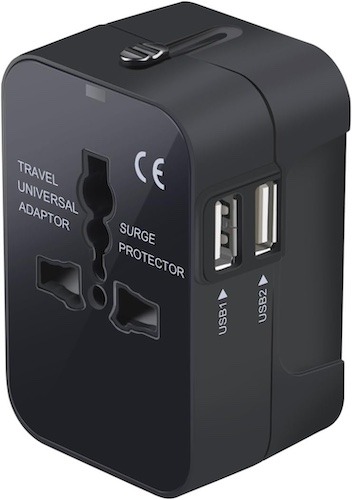
Bring your charging devices and plug adapters. I like to use my layover time to charge my devices so I always carry a a multiplug adapter. I always pack and store them in my electronics bag in my in-flight bag.
Not all airports have available plug outlets, USB charging ports or charging stations. Carrying an external charger like Anker x Pop Socket Magsafe charger or a small Anker nano lightning charger will keep you powered, even if you don’t have a place to plug in.
Additionally, not all airports have international plug outlets. Incheon Airport’s plug outlets only takes Asia plug adapters. Bring an international travel adapter. They’re a little bulky but you won’t have to buy adapters per country. Due to the fact I visit South/east/Asia often, I have separate plug adapters for it.
8. Pack layover essentials
Always pack a bag of layover essentials. It’s similar to what I’d pack in my in-flight essentials. In the case your flight gets delayed or your luggage gets lost, you want to have bare essentials to survive your trip and freshen up.
Basic things I pack are:
– Toothbrush & toothpaste
– An extra pair of underwear
– A refillable bottle for water
– Snacks
– Medication
– Charging devices
Watch my video on How to Choose your Airport Layover and Things you NEED to know about Connecting Flights, where I’ll be sharing advance tips on what you should be looking for in your airport to make your layover an amusement attraction!
9. Bring small cash
These days, many more airports allow you to make small purchases through your credit card. Moreso than 5 years ago. But expect the occasional exceptions. Carrying small bills such as $5, $10, $20 USD has always bailed me out during long layovers, because while airports -airside- don’t always have ATMs, they do have currency exchange kiosks!
If your layover allows time for to sightsee the city, take a layover tour or grab a drink, those small bills are the best to take to exchange at money exchange windows for small spending cash.
10. Book Priority Pass lounges
Airport lounges have been around for ages and are synonymous with VIP status flyers. But these days you don’t need to be a VIP to gain entry into them. Priority Pass is a site that let’s you reserve a spot at a lounge for as little as $99/year. That’s access to over 1,400 lounges. Many lounges are full-service and have wifi, buffet style food; some have showers.
Sometimes, you can find cheap rates for lounge entry (i.e. in Malaysia, I paid for lounge access upon walking and it was for a surprisingly inexpensive rate.
Tip: Priority Pass is a site that let’s you reserve a spot at a lounge for as little as $99/year. That’s not bad.

11. Explore Airport tours
Long layovers are wonderful for catching an extra day of sightseeing in your layover city. I’ve done this a handful of times as my way of surviving long layovers at boring airports, while also squeezing another country destination in. Check if your layover is long enough to venture outside and explore the city. Some airports offer layover tours for long layovers over 5 or 6 hours.
Check this list of free airport layover tours.
I’ve taken city tours from Incheon and Doha Airport. Generally they have a requirement for who can join the tours and this is reliant upon how much time you’ve got. They will whisk you through immigration to the outside tour desk where you can board your city tour bus and then get you back in time for your flight. You need to go back through TSA and passport control, so they are quite strict and will check your connecting flight ticket.
12. Join Loyalty Programs
Sign up for loyalty programs offered by credit cards and airlines. These loyalty programs provide perks like discounts, free lounge access, or fast-track security.
13. Download your Airlines Mobile App
Stay connected with your airline’s mobile app. They can make your in-transit and layover world easier, by offering flight schedule information screens, early gate information and real-time updates on your connecting flight.
14. Research Airport Facilities
San Francisco International Airport has a yoga room with free yoga sessions and Incheon Airport has free sleep and game rooms to spend your layover time in. Practice yoga or meditation to relax your mind and body. Some U.S. airports have designated areas for yoga and mindfulness activities (such as San Francisco, Dallas Fort Worth, Burlington and Alburqurque.
Free showers: Airport showers are a nice way to refresh yourself. I’ve used the Incheon Airport shower in Terminal 2, but I’ve also noticed them in Doha and Dubai Airports recently as well. You need to bring your own towels and a change of clothes.
Sleep pods: whether it’s comfortable lounge chair or Nap pods that offer a room to shower, watch television or bed to sleep in, check your airport to see what their most restful spots of the terminal are. Check out my list of airports that offer sleeping pods.
Dog relief stations: Some airports have areas where you can relief your dogs, so your furbaby can go potty
15. Free airlines hotels for layovers
Some airlines offer free in-transit hotels for layovers over a certain duration. When I had a super long layover in Istanbul whilst traveling Turkish Airlines, I had a choice between a city tour or a free in-transit hotel stay and chose the hotel so I could get rest.
In-transit hotels not only offer a hotel room for you to rest in during your layover, but often, they include meal vouchers or a restaurant.
How do you maximize your airport layovers? What are your airport layover tips for this layover guide?