
Last Updated on July 6, 2026 by Christine Kaaloa
If you’re reading this because we’ve both searched “can I fly with my senior dog” or “is it safe to travel with a diabetic dog” or “how to prepare my dog for air travel,” and you’re probably in a similar boat I was.
You want to bring your fur baby along on your travel adventures, but you’re not sure if it’s the right decision. So I’m sharing everything I learned- for dogs who can fly safely, the red flags every pet owner should watch for, and most importantly, how to make the right decision for your specific pet’s health and happiness.
My journey: From pet travel research to hard truths
Table of Contents: Traveling with my Dog: What Every Pet Owner Needs to Know Before Flying
- 1 Is your dog a good candidate for air travel?
- 1.1 Understanding cargo vs. cabin travel
- 1.2 Transportation Tips: Road Trips vs. Flying
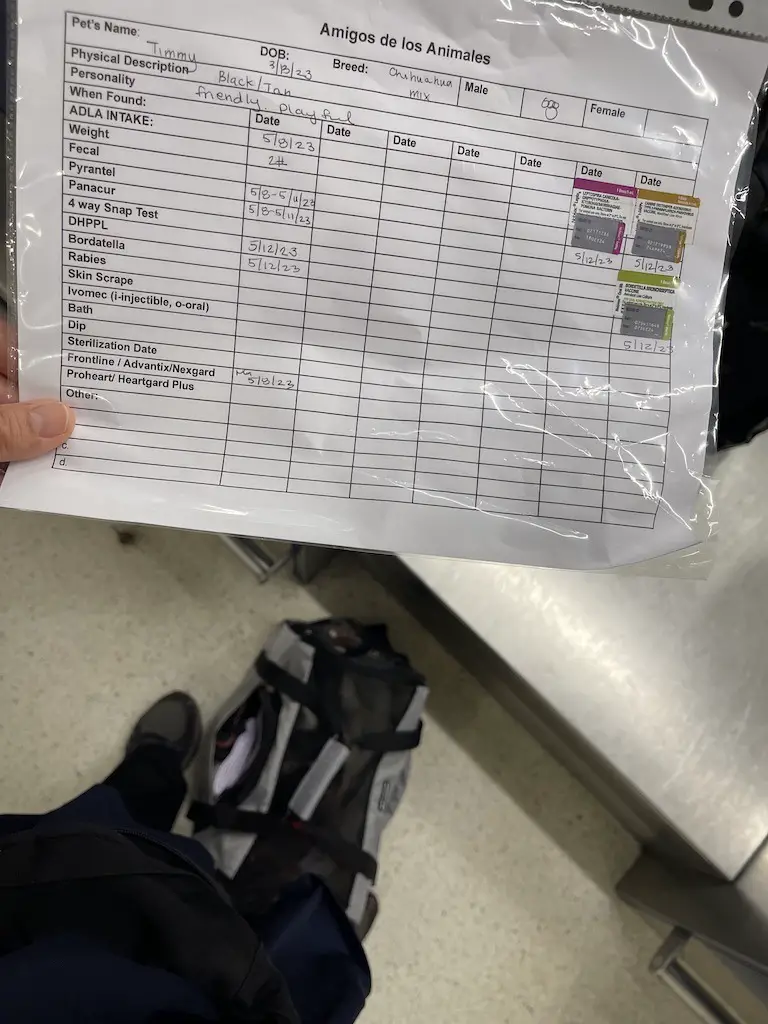
- 1.3 Essential pet documents to carry:
- 1.4 Packing smart: Essential items for dog air travel
- 1.5 Creative ideas for dog-friendly travel adventures
- 1.6 How to prepare your dog for air travel: 6-8 week conditioning program
- 1.7 Alternate modes of travel : Don’t give up on your dog!
- 1.8 Making the right choice for your dog
I’ll be honest- I started writing this post thinking it would be a fun guide to jet-setting with my senior dog, Tinker. We live in Hawaii, and I had visions of taking her to explore new cities, hike mountain trails, and experience the world beyond our island home.
I imagined her little fur face pressed against airplane windows, her tail wagging as we discovered far away hiking trails together, zipped through rice paddy fields on a motor scooter and the joy of never having to leave her behind.
I mean, hey- I’ve seen pet influencers do it. 😉
But Tinker is 12 years old, a small/medium dog (probably wouldn’t fit under a airplane seat), she’s diabetic and needs refrigerated insulin twice daily. Then there’s her glaucoma which requires eye drops four times a day. She’s terrified of loud noises- fireworks send her scurring for safety out of panic and Harley motorcycles make her go crazy with barking. And from Hawaii, any destination means a minimum of four to six hours of flight time, which doesn’t even account for the time spent in busy, chaotic airports and flight transfers. Not to mention blood tests to get her through Hawaii’s quarantine regulations!
As I researched what it would take to fly with her and the health challenges she faced, a hard reality set in in a way no dog parent wants to admit to…
The cabin pressure changes could worsen her glaucoma and increase her eye pressure. The cacophony of airport announcements and jet engines would be torture for a noise-sensitive, nervous dog like Tinker.
Managing her strict medication schedule solo while juggling security lines, flight delays, and unfamiliar environments? I’d be risking her health and if I ever left her vetsulin unrefrigerated for 12 hours… woof! And dog insulin is not something I’d imagine was easily found in international countries. The veterinary advice would be clear and consistent for dogs like Tinker. Tinker isn’t a good candidate for air travel and accepting this truth was an act of love.
But here’s the thing – I did all this research anyway… hours of it. I didn’t want to just throw it away because I couldn’t do it. Maybe you can!
Is your dog a good candidate for air travel?
Before you book that flight or start searching for “pet friendly airlines” or “how to fly with dogs in cabin,” you need to honestly assess your dog’s temperament, health status, and stress tolerance. Not every dog is built for the unique challenges of air travel, and that’s completely okay.
Green light: Dogs who may be ready to fly
Your dog is likely a good candidate for air travel if they’re:
- Young to middle-aged and in excellent overall health with no chronic conditions.
- Calm, adaptable temperaments who take changes in stride tend to handle travel much better than anxious or reactive dogs.
- Comfortable spending extended periods in carriers or crates without distress.
- Able to handle car rides without excessive panting, whining or vomiting show you they can manage motion and confinement.
- Healthy with no respiratory, cardiac, or severe chronic health conditions that could be exacerbated by stress, altitude, or pressure changes.
Red flag: When flying may not be safe for your dog
Seriously reconsider air travel if your dog shows any of these warning signs:
• Extreme noise sensitivity or diagnosed noise phobia. If thunderstorms, fireworks or sirens send your dog into panic, airports will be overwhelming
• Elderly status (generally 10+ years): Senior pets apparently don’t tolerate temperature, pressure, or routine changes well
• Chronic health conditions : Diabetes, heart disease, glaucoma, Cushing’s disease, epilepsy, or respiratory issues all increase travel risk (Tinker’s rode that middle line through all of these!)
• Severe separation anxiety: Dogs who become destructive or have escape attempts when separated from you
• Brachycephalic breeds : Okay, I had to look this up, but it’s short-nosed dogs face elevated respiratory emergency risks even in climate-controlled cabins. Think breeds like pugs, bulldogs, boxers, shih tzus and boston terriers face higher risks during air travel due to their shortened airways. Many airlines have banned these breeds from cargo holds entirely, and even cabin travel poses serious respiratory risks for them. Flying with one of these breeds can put their life at risk!
Understanding cargo vs. cabin travel
The choice between cargo and cabin travel isn’t just about convenience – it’s about safety and your ability to respond to your dog’s emergencies.
Cabin travel (typically for dogs under 15-20 pounds) allows you to maintain visual contact and monitor your dog’s condition throughout the flight. The temperature and pressure are controlled for human comfort, which benefits your pet. Most importantly, you can respond quickly if something goes wrong, whether that’s signs of distress, overheating or a medical emergency.
Cargo travel is necessary for larger dogs and presents an entirely different risk profile. Your dog is separated from you completely, exposed to extreme engine noise, handled by strangers, and subjected to temperature fluctuations in the hold. You cannot intervene if they show signs of panic, distress, or medical crisis. For these reasons, cargo travel is generally not recommended for anxious dogs, elderly dogs or dogs with any chronic health conditions.
My takeaway with Tinker was sobering. Even if she could fly in-cabin under my seat, the combination of her advanced age, multiple serious health conditions and severe noise sensitivity made the risk unconscionably high. Sometimes the most loving choice is recognizing that our desires and our dogs’ well-being don’t always align and choosing their safety over our what we think are our dreams.
Transportation Tips: Road Trips vs. Flying
For road trips, always secure your pet with a seat belt harness or a properly anchored crate to prevent distraction and injury. Plan to stop every two to three hours for bathroom breaks, fresh water, and stretching. Never leave pets alone in the car, even for “just a minute” as temperatures inside vehicles rise dangerously fast, even with windows cracked.
For air travel, book direct flights whenever possible. Every connection is another opportunity for delays, lost carriers, rough handling, and accumulated stress for your dog. Research and choose pet-friendly airlines with strong safety records and clear pet policies.
Your carrier should be clearly labeled with your name, phone number, destination, and your pet’s name.
Arrive at the airport earlier than you normally would to allow extra time for check-in, security screening, and finding a quiet spot for your dog to decompress before boarding.
Exercise your dog thoroughly before heading to the airport—a tired dog is generally a calmer dog.
Critical flight day tips:
• Avoid sedatives unless explicitly approved by your vet (they can interfere with breathing at altitude)
• Offer only a light meal a few hours before departure
• Keep medications in your cabin bag, never checked luggage
• Use familiar bedding inside the carrier
• Stay calm as dogs pick up on your anxiety
For dogs who can travel safely: Your complete preparation guide
If your dog is healthy, adaptable, and temperamentally suited for travel, preparation is everything. The difference between a stressful disaster and a successful trip often comes down to how thoroughly you prepared in the weeks leading up to departure.
Health and legal requirements for flying with dogs
Four to six weeks before your planned travel date, schedule a comprehensive veterinary checkup. You need your vet to evaluate whether your specific dog is physically and mentally fit for air travel.
Discuss your travel plans in detail: the length of the flight, whether it’s direct or involves connections, the climate at your destination, and any concerns you have about your dog’s ability to handle the stress.
Make sure all vaccinations are current and that your dog is up to date on parasite prevention, especially if you’re traveling to regions with different pests and diseases.
Many destinations and airlines require a health certificate issued by a licensed veterinarian, typically within ten days of travel.
For international travel or crossing state lines, research the specific requirements well in advance—some countries require quarantine periods , specific vaccinations, or parasite treatments administered within precise timeframes. Hawaii is actually one of these places with a strict requirement for incoming pets.
Essential pet documents to carry:
- Copies of all vaccination records
- Health certificate (if required)
- Written medication instructions
- Your vet’s contact information, including after-hours emergency numbers
- Brief medical summary if your dog has any health conditions
- Update your dog’s microchip registration with your current contact information and ensure their collar has an ID tag with your phone number and email. In the chaos of travel, dogs can slip out of carriers or bolt during bathroom breaks, and proper identification dramatically increases the chances of a happy reunion.
Packing smart: Essential items for dog air travel
The right supplies can make or break your travel experience.
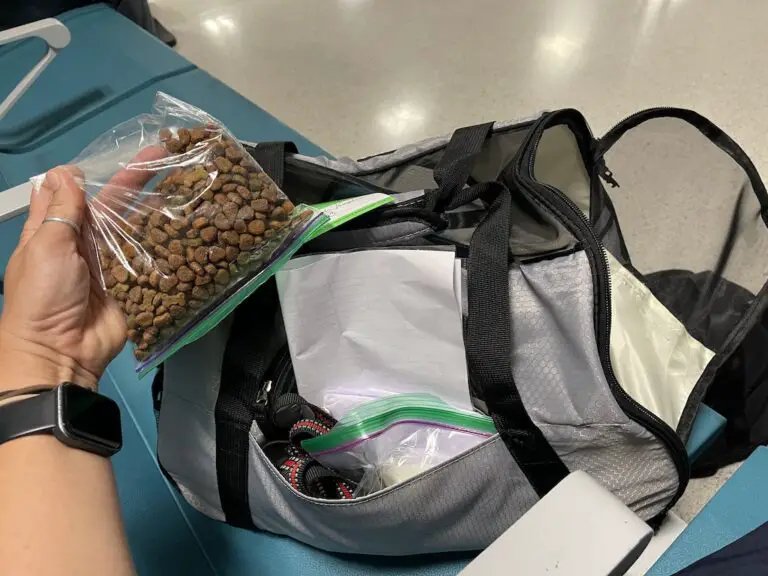
Pack collapsible food and water bowls that won’t take up space in your carry-on. Bring enough of your dog’s regular food for the entire trip plus an extra three to four days’ worth in case of delays. Switching foods suddenly can cause digestive upset, which is the last thing you want when you’re far from home.
Your pet travel kit should include:
• Collapsible food and water bowls
• Food for the trip plus 3-4 extra days
• Fresh water for the journey
• Leash, harness and backup leash
• IATA-approved carrier or crate
• Pet first-aid kit (bandages, antiseptic wipes, tweezers, medications)
• More biodegradable poop bags than you think you’ll need
• Familiar-smelling bedding or worn t-shirt
• Interactive toys, chew toys or puzzle feeders
Finding dog-friendly accommodations
Use search filters on Booking.com, Airbnb, BringFido, and other travel sites to find genuinely pet-friendly accommodations, but don’t stop there.
Call the hotel or property directly to confirm their pet policy, including any size or breed restrictions that might not be immediately obvious in the listing.
Ask about pet fees, whether they’re per night or a one-time charge, and if there are designated pet relief areas or nearby parks.
Read reviews specifically from other pet owners about their experiences at the property. Did the hotel provide bowls and bedding? Were the pet areas clean? Was the staff genuinely welcoming of pets or merely tolerant?
Choose destinations with walkable green spaces, parks or pet-welcome attractions nearby. Your dog will need regular exercise and bathroom breaks and having these resources within easy walking distance makes everything easier.
Creative ideas for dog-friendly travel adventures
The best dog-friendly trips aren’t about designing them around your ideal trips, but about designing experiences you can genuinely share and enjoy together.
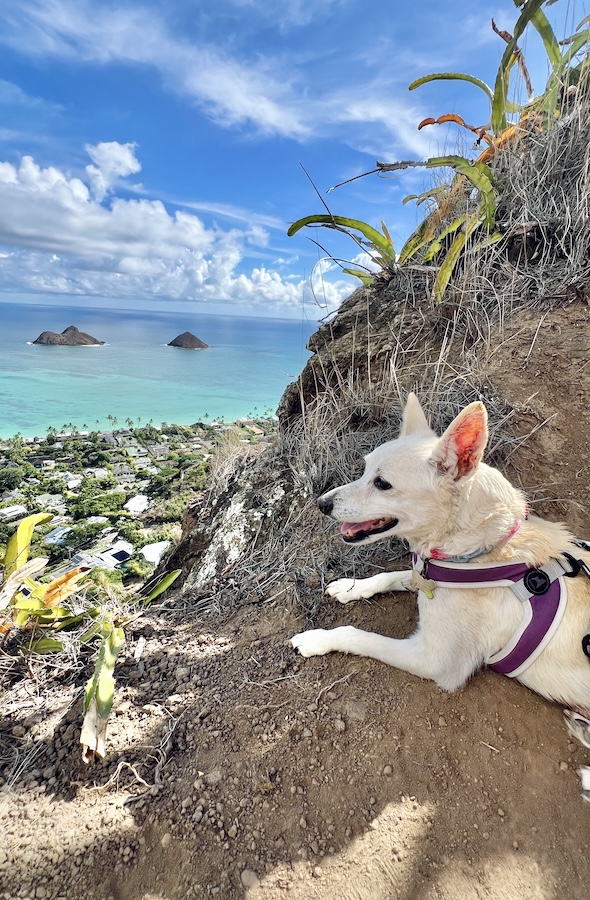
Plan hiking trails or nature walks that are specifically suitable for dogs, always checking trail rules about leashes and any breed or size restrictions. Avoid mid day hot hikes with no shade.
Explore dog-friendly beaches or lakefronts where your dog can swim and play, which provides both exercise and mental stimulation in new environments.
Visit outdoor cafes, breweries, or farmers markets that allow pets – these venues let you enjoy local culture while your dog relaxes beside you.
- Unique pet-centered activities to consider:
- “Doggy paddleboard” or kayak rentals where dogs can ride alone
- Agility courses or specialized dog parks with different equipment than your usual spots
- Pet-friendly boat tours or ferries
- Outdoor concerts or events that welcome dogs
- Special seasonal fairs, where you can have fun photo ops like pumpkin patches and sunflower fields


Bring interactive toys and rotate them throughout longer trips to maintain your dog’s interest.
Try to stick to your pet’s regular feeding, potty, and sleep schedule as much as possible to reduce stress and maintain their sense of security.
Build in genuine downtime for naps and quiet time—travel is exhausting for dogs, and all the new smells, sights, sounds, and people are mentally draining even when they seem excited.
Pick up pet-themed souvenirs like local treats, destination-specific bandanas, or toys as mementos of your adventure together. Just make sure treats are safe and appropriate for your dog’s dietary needs before offering them.
How to prepare your dog for air travel: 6-8 week conditioning program
If you’ve determined your dog is healthy enough to fly and you want to give them the best possible chance of handling it well, this desensitization program can help reduce their stress and anxiety around travel.
6-8 weeks before your flight
Choose your airline-approved carrier early and start carrier training immediately. Leave it open at home with familiar bedding and treats inside, positioned in an area where your dog spends time naturally. Let your dog explore it voluntarily with no pressure or force. Gradually increase the time your dog spends inside with the door closed, always rewarding calm behavior with treats and praise.
Begin noise desensitization by playing recorded airport and airplane sounds at low volume during positive activities like feeding or playtime. Your dog will associate these sounds with good experiences. Slowly increase the volume over several weeks, watching carefully for signs of stress and adjusting your pace if needed. Don’t rush this process -pushing too hard or too fast can create anxiety rather than reducing it.
4 weeks before departure: acclimatization to motion and handling
Start motion acclimation with short car rides in the carrier, beginning with just sitting in the parked car with the engine running. Progress to driving around the block, then longer trips, gradually extending ride duration until you’re approaching the length of your expected travel time. Make car rides positive experiences with treats and praise for calm behavior.
Practice handling tolerance by gently lifting, tilting, and carrying the carrier the way airport staff would. Touch your dog’s paws, ears, and body gently to prepare them for security inspections where TSA may need to swab their carrier or even examine your dog directly. Keep these sessions short and positive.
2 weeks before you fly: schedule adjustments
Adjust feeding schedules to align with your expected travel timeline. If you’ll be feeding your dog early before an afternoon flight, start doing that at home so the change doesn’t compound travel stress. Practice short periods without food and water access, under your vet’s guidance, to mimic the flight preparation protocols airlines require.
1 week before your trip: prepping and the mock flight
Conduct a full “mock flight day” where you pack their travel bag, crate them as you would for travel, do an extended car ride and sit quietly somewhere new for several hours. This dry run helps identify any problems because maybe the carrier isn’t as comfortable than you thought or your dog needs more frequent bathroom breaks. Maintain calm, positive energy throughout this rehearsal because your dog will pick up on any anxiety you’re feeling.
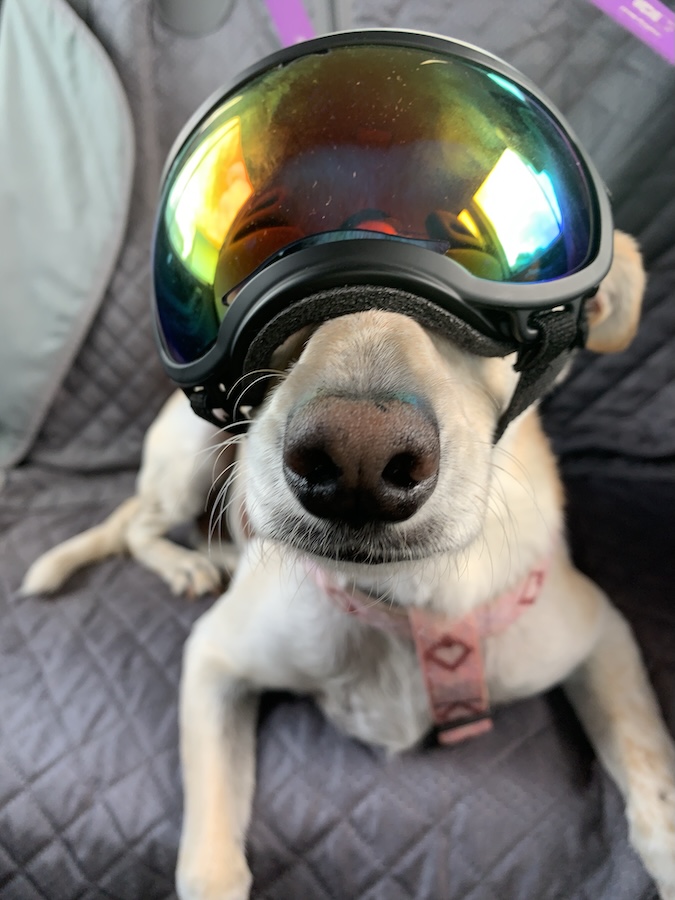
Schedule your final vet visit to confirm your dog is fit for travel and obtain the health certificate if required. Discuss whether natural calming aids like pheromone sprays, calming chews or thunder vest anxiety shirts (Tinker uses this a lot), dog ear muffs (Tinker has one and it helps reduce loud noises but she’s super sensitive to noise, so she needs something thicker!) or maybe give them a turkey dinner just before the flight. Reconfirm that sedatives are not recommended for air travel.
Day of your flight: final preparations
Exercise your dog thoroughly before heading to the airport—a good long walk or play session helps burn off nervous energy. Offer only a light meal several hours before departure. Use familiar-smelling bedding or a worn t-shirt with your scent inside the carrier. Keep your demeanor calm and reassuring throughout the airport experience, as dogs are incredibly perceptive and will feed off your energy.
Safety and Emergency Preparedness When Traveling With Dogs
Always supervise your pet closely in new environments where hazards may not be immediately obvious. Research local hazards – depending on where you’re going, you might need to watch for ticks, fleas, venomous snakes, coyotes, alligators or toxic plants that don’t exist in your home area.
Before leaving home:
• Identify the nearest veterinary clinic or 24-hour animal hospital at your destination
• Save emergency vet contact information in your phone
• Keep physical and digital copies of your pet’s medical records
• Consider pet travel insurance for longer trips or international travel
Have a plan for what you’ll do if your pet becomes ill or injured while traveling. The cost of veterinary care varies wildly by location, and emergency treatment in some areas or countries can be shockingly expensive.
Alternate modes of travel : Don’t give up on your dog!
I realize that those checklists may have popped some dreams. Some fur babies are not great candidates for air travel.
All is not lost if your dog cannot travel by air. Consider alternate modes of transportation like overland travel, such as roadtrips, ferries and trains, or seeking adventures in your backyard.
If you’re moving cross-country, break up your trip into shorter legs and do travel overland via car or train. Consider hiring a professional pet transporter to see if they have other possibilities.
Not being able to fly with Tinker, I’ve actually gotten very creative in planning an itinerary for both of us to enjoy together. And my creative options have been a lot more exciting than buying a plane ticket ( kinder on the wallet too). It’s pushed me to open my mind to exploring Hawaii in ways I may not have considered. Remember- when you’re traveling with your dog, you’re seeing places through their eyes.

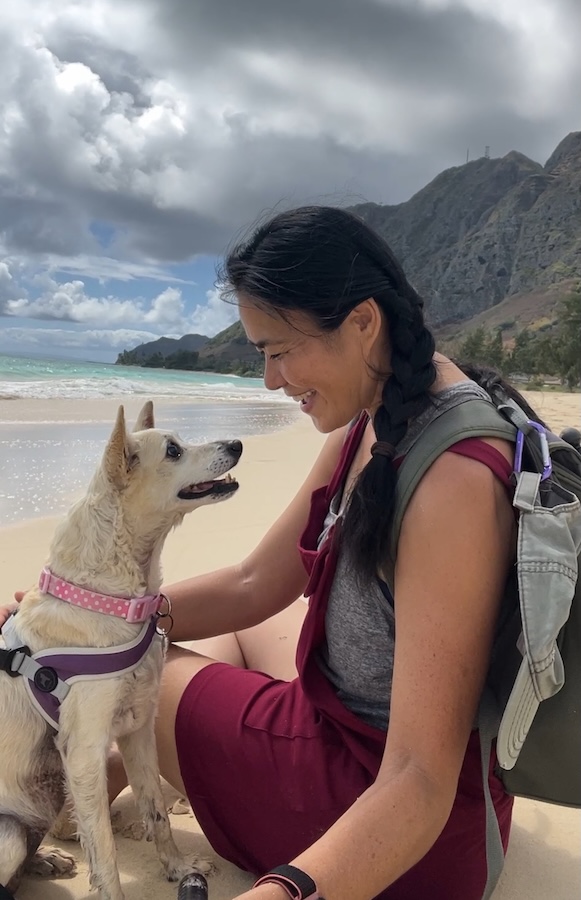
Dogs have simple dreams to run in nature, smell different smells and to just be with you. They don’t care about staying at the best hotels or seeing the Eiffel Tower. They’d much prefer running along a beach and smelling the salty sea and camping under the stars, sleeping next to you in a sleeping bag. Tinker has certainly made me more of an outdoors person than I am.

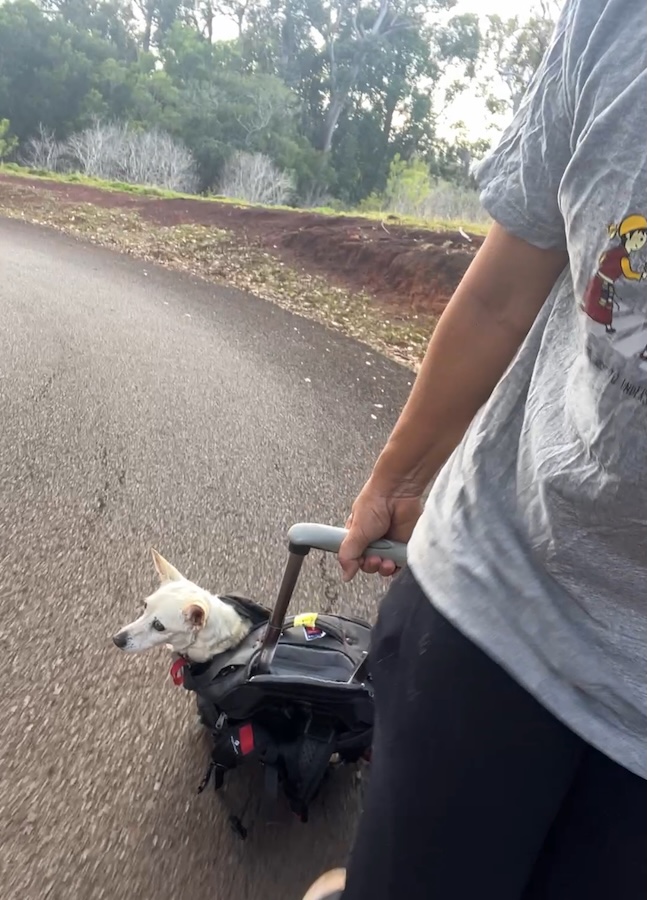
Here’s the thing: despite her health battles, Tinker loves travel and adventure. A session with a pet communicator clarified what I’d seen in Tinker’s eyes and energy all these years. Tinker was excited to be “traveling soon”. This was during a period when her eye doctor said she could not engage in strenuous activity (and even casual walks were out). I took it as she might be on her deathbed. But little to my understanding back then, I was planning a way to carry- walk her or take her hiking by converting my travel backpack or convertible wheeled backpack carry-on as her transportation.
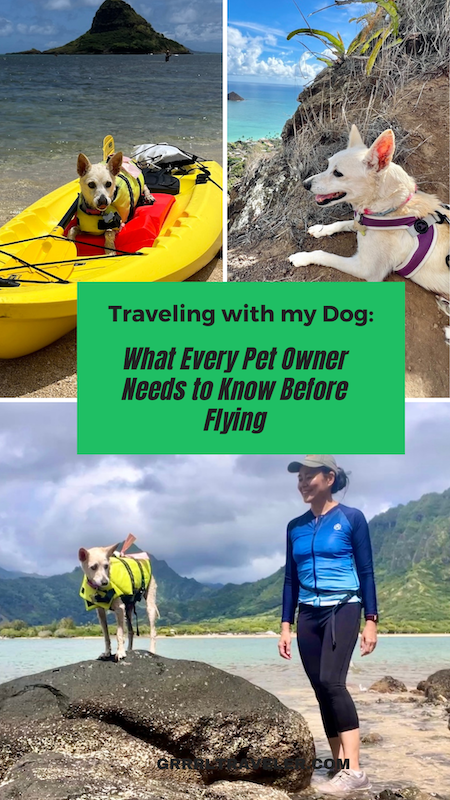
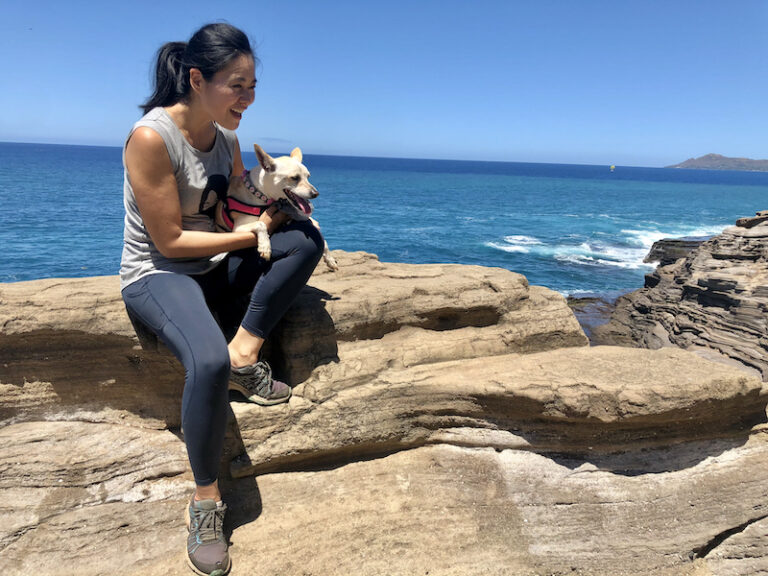
Tinker and I have been exploring Oahu’s beaches, parks, dog/ local events and markets, shopping malls and hiking trails for some years now. Her thirst for new adventures and the way her smile lights up when she catches new smells pushes me to uncover gems where I live. Maybe I cannot take her on an Indian sleeper train, but I can certainly take her kayaking on the ocean

For alternate transportation, we’ve tried kayaking to paddle boarding, getting her a floatie and explored waterfalls, to forests, beach coves and tide pools. What I may not find exciting doing alone, she gives a new exciting twist to, because I see the activity through her new eyes.
As a result of me trying to give her her best life, she’s unknowingly given me mine.

Making the right choice for your dog
- Have an honest conversation with your vet.
- Consider your dog’s age, health, temperament and stress tolerance.
- Ask yourself the hardest question: Am I doing this because my dog will enjoy it or because I want them with me ?
Some dogs thrive on adventure and adapt easily to new environments, people and situations. For them, the additional preparation and effort are absolutely worth it.
But other dogs, like my Tinker, are healthiest and safest staying in a stable environment with established routines. This doesn’t make them less adventurous or wonderful. Oh contraire- personally, it means I find unique adventures closer to home, create ones we can enjoy together and push myself outside my comfort zone to explore my home of Hawaii better. Recognizing that is part of responsible pet ownership.
Sometimes the most loving decision is recognizing that not every travel adventure is meant to be shared. And that’s okay. Your dog will be waiting for you when you get home, tail wagging, in the place they feel safest – with you.
For dogs who can travel: Use this guide to prepare thoroughly, prioritize their comfort and safety, and create amazing memories together.
For dogs who can’t: Know that choosing their well-being over your wanderlust is an act of deep love. The adventures in your own backyard matter just as much as the ones across the country.
Safe travels, whether you’re flying with your furry friend or leaving them in loving hands at home.