
Last Updated on February 18, 2026 by Christine Kaaloa
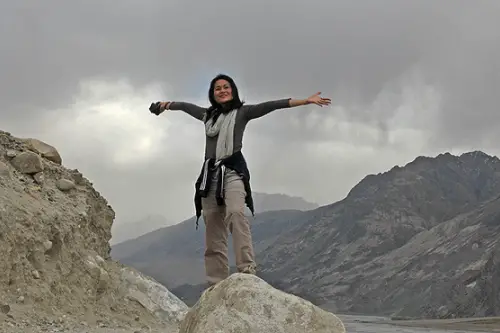
Long-term travel isn’t the perfect freedom adventure everyone thinks it is.
After seven months of vagabonding through Southeast Asia, Asia and East Asia, moving from guesthouse to guesthouse with no master plan, making panicked decisions as tuk-tuk drivers swarmed bus stations … I learned that long-term travel with an open-ended ticket can sometimes feel like you’re diving into survival mode with a backpack!
Some days, I felt like I was failing at long-term travel. There were days I wanted to crawl under a rock and book the next flight home.
If you’re planning a long-term trip -or currently struggling through one- in this post, I’m going to share what nobody tells you about life on the road and survival tips that can keep you going.
This post may contain affiliate links. I never leave home without travel insurance. For long term travel, I highly recommend Safetywing for their digital nomads insurance. Otherwise, here’s a trip insurance finder tool to find a plan that matches your budget.
8 Brutal Truths about Long-Term Travel
Table of Contents: 8 Brutal Truths of Long‑Term Travel Solo ( And 15 Hacks for Surviving It !)
- 1 8 Brutal Truths about Long-Term Travel
- 1.0.1 1. Decision fatigue can make you want to quit
- 1.0.2 2. Long-term instability
- 1.0.3 3. The pressure of “doing nothing”
- 1.0.4 4. Freedom is overwhelming
- 1.0.5 5. Homelessness eats away at you
- 1.0.6 6. Feeling an existential lack of purpose
- 1.0.7 7. Loneliness hits different on a long road
- 1.0.8 8. Your budget does not replenish itself
- 2 15 Tips to Survive Long-Term Travel
1. Decision fatigue can make you want to quit
Alone, it’s all on your shoulders- every single hour of every choice of every single day.
There were times I just wanted someone to make decisions for me, take some of the trip planning work off my plate or at the very least, I wished for parameters to help me narrow down my options.

2. Long-term instability
Women tend to feel a constant vulnerability. That background worry and anxiety that crime and violence could stalk you, never quite goes away, even at home when I’m jogging or walking to my car in the parking lot at night. However, at home it feels different because you have a routine, which creates familiarity, lifestyle street smarts and a feeling of safety that allows you to lay your guard to rest.
With solo travel to a new city or country, you experience changing rules. Each new city or country you arrive to has new rules and social etiquette. Being in a foreign land abroad can create unconsciously high stress, which gradually eases over time as you adapt and normalize your settings to find comfort.
And with long term travel, just when you find that comfort, it’s time to start anew in another city.
The resulting effect is that unstable feeling of going emotionally from zero to a hundred and back to zero again, without ever fully relaxing. It’s an emotional roller coaster. Read 20 street smart safety tips for solo travelers


3. The pressure of “doing nothing”
Most of us start as short-term vacation travelers, conditioned for high-impact, short trips where you pack everything in, like visiting three cities in eight days.
As a content creator, I have a full itinerary planned each day, so I really struggled with my goal-obsessed mind constantly. For the first few months, I treated my long-term trip as if I only had 3-7 days to see and do everything I could. The guilt of doing nothing felt terrifying. Even on days that I felt like staying in my guesthouse room to decompress from the overwhelm, I’d pressure myself to be productive and get out to explore, which added strain to my mental fatigue.
Long-term travel requires a complete mindset shift. You can’t sprint a marathon, because running a race against yourself every day leads to burnout. Eventually, I learned to travel slower, extend my stay in places and do less and appreciate the simple things of local living.
Get my international trip budget tracker template to track all your expenses in one place!
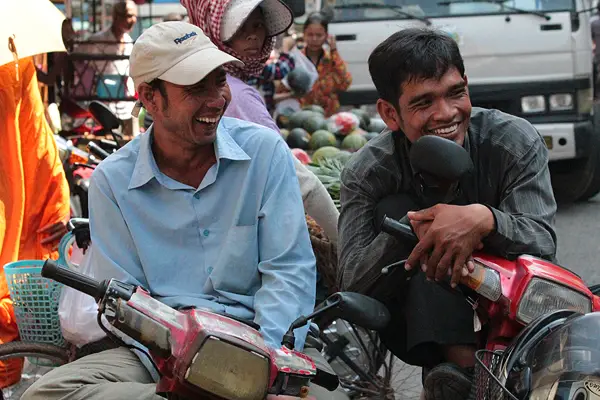
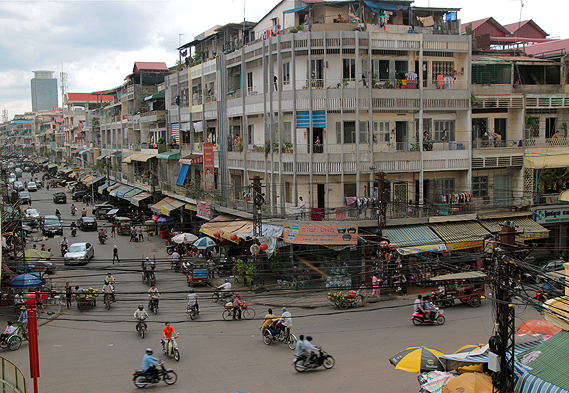
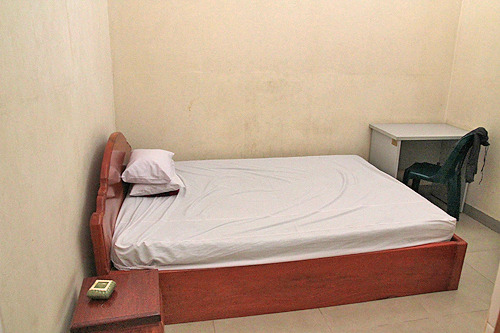
4. Freedom is overwhelming
Here’s the paradox nobody talks about… too much freedom is stressful.
Realistically, parameters and boundaries help guide our choices and prevent us from overwhelm. The idea of ultimate freedom sounds glamorous, but it’s more than we imagine having or know what to do with. You may put a lot of pressure on yourself to live out your day’s freedom to its fullest extent, even if you don’t really want to.
I’ll never forget the day I sat in an IMAX theater in Bangkok watching Heart of the Sea in 4D cinema, wondering if I hit rock bottom and if this was the best Bangkok would get for me. I felt I had exhausted best things to do in Bangkok and felt completely lost, despite being one of Southeast Asia’s most exciting cities of which I had only seen a small snapshot of!
In retrospect, I had a Thai movie going experience and what I learned was that Thai theaters can get quite luxurious, with bowling alleys, recliner chairs and yes, 4D experience. But I had more freedom than I knew what to do with and that created the anxiety of feeling I needed to do something big to match my freedom. The weight of endless options, combined with a weird travel depression, created a funk I couldn’t shake.
Most of us think that freedom will allow us to do all the things we want to do. Here I was “living the dream of travel freedom”, and I couldn’t figure out what I actually wanted to do.
5. Homelessness eats away at you
Packing and unpacking… another guesthouse… another long distance bus or overnight train… combined with the heat and weight of your backpack on your shoulders and trip planning each move and action… it all accumulates.
Living as a “hobo” and ghost for months straight (Read my budget vagabonding tips) nearly broke me in ways I didn’t expect. With all my transient movement, I began to crave permanence. I wanted a permanent closet to hang my clothes, a place to spread out my things for several weeks to months, a community who knew me … I wanted roots, even if just temporary.
I can live in hotel rooms for months on end for work and homesickness is not something I experience ever, but this is the first time I wanted to find a home.
Being my own sherpa was physically the worst part of being a hobo. That moment when I roll into a new city, leave the airport, and face the exhausting task of getting to my next accommodation with all my belongings on my back and taxis swarming me. It never got easier.
Tip: Learn to pack light! I switched from a backpacker’s backpack to a wheeled backpack like Hynes Eagle convertible carry-on where my lower back and neck were not always bearing the load of my luggage and it was easier to navigate. See recommended wheeled backpacks.
6. Feeling an existential lack of purpose
Springboarding from #5, feeling a lack of meaning and purpose hit me hard, somewhere around the fourth month. The fulfillment that I get from freelance work or structured routine is something I ended up missing.
I was having amazing adventures: learning how to scuba dive, caving, trekking into hill tribe territory, then racing to experience bucketlist festivals… yet it began to feel empty. There were no patterns to ground my existence or offer guidelines to a purposeful path.
My experiences were recorded in me, but they never really felt integrated into a skill nor did they have a true purpose to make the people around me or the world a better place. My existence longed to feel useful.

7. Loneliness hits different on a long road
Yes, you’ll meet people. Yes, solo travel can be incredibly social. But here’s what changes long-term:
- You become acutely aware that you’re always saying goodbye.
- And hello also begins to feel like goodbye.
On the road, you develop intense, fast friendships with fellow travelers. You bond over a shared vulnerability, spontaneous adventures …and maybe you travel together for a week. You feel genuinely connected. Then they leave and you’re starting over again.
The transient nature of road friendships creates a unique kind of loneliness that’s different from short term travelers.
8. Your budget does not replenish itself
When traveling long term alone, you begin to feel your budget shrink and you become highly attuned to the fact your money does not replenish. This is why travelers save up for an around the world or open-ended trip. The costs of your travels and activities begin adding up and you’ll find after a few months, you start cutting back on tourist activities. Transportation choices become more economical with public transportation. Lodgings can also be a bigger part of your expenses and you might find yourself going cheaper on accommodations which can also lead to potentially unsafe lodging choices.
Tip: Budget out how long you’ll be traveling for and how much you spend daily. Give yourself a daily spending allowance. Keep a trip expense spreadsheet to monitor your spending so you know where your money is going to, so you know where to cut back.
15 Tips to Survive Long-Term Travel
After struggling through these challenges, here’s what worked:
1. Master slow travel – Sloooooow down. Long-term travel allows you to enjoy travel without rushing. Turn inward and find appreciation in the nuances of your environment than the big wow-factors and tourist landmarks. For example, you have time to authentically experience one temple instead of five, so do a temple stay for a week! Dive deeper into the experience and uncover the authenticity rather than the tourist hustle of a packed itinerary.
2. Respect your pace – Find your real pace. Not the pace of your obsessive FOMO freak. Honor your body and fatigue and stop pushing when it says STOP. You’re headed towards quick burnout if you ignore it. Respect your need for downtime and sleep. You have time .
3. Appreciate the simple things- Every day does not have to be a wow-factor day. Often when traveling long-term, we forget that one of our goals is to actually experience normalcy and what it’s like to live in average local shoes. Appreciate the simple local things – shopping at a grocery store, taking in a movie, enjoying a really delicious street curry.
4. Book longer stays to combat homelessness – Instead of moving every 2-3 days, stay two weeks or longer in each location. Unpack completely and create temporary routines like finding a local cafe to visit daily. Use Booking.com or Agoda.com
5. Accept the loneliness – Journal. Take a meditation, yoga, pottery making, cooking or crafts workshop. Loneliness on extended trips is normal, even when you’re meeting tons of people. While you can do day tours and workshops, try longer programs like week-long yoga retreats that help you go inward and build a community of friends.
6. Travel like a local and not tourist – Travel the way locals live. Eat at local joints, make friends with locals, experience homestays and unique local lodgings, take public transportation. Cut back on expensive tourist activities.
7. Manage your money mindfully – Long-term travel means budgeting in real time and watching every dollar. Create a trip budget tracker or get my trip budget tracker template to track all your expenses in one place!
8. Get long-term travel insurance. Safetywing offers affordable digital nomad travel insurance that allows you to start at any time of your trip. Meanwhile, take notice of local hospitals and pharmacies and keep yourself healthy. Or use this trip insurance finder tool to find the best quote for your budget.
9. When you feel lost and overwhelmed, get physical – Explore your aimlessness on foot. Surrender control to serendipity and allow yourself to get lost to discover new observations. Sign up for a yoga retreat or scuba certification program which has set schedules to sculpt your day with purpose. You can also hire a local guide and let someone else make the decisions for a day. Check out Get your Guide
10. Catch up on rest and relaxation – Ultimate freedom involves the freedom to rest and relax guilt free. Master the art of not-doing. Lounge at the beach, watch local tv in your air-conditioned guesthouse room (I occasionally do this when I feel too overwhelmed and it turns into me falling asleep as I learn about the culture through sitcoms and news)!
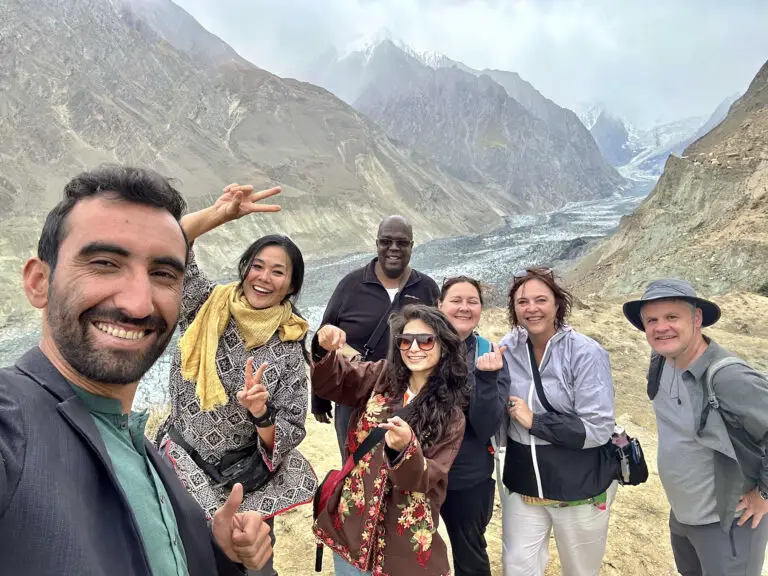
11. Set micro-goals – Setting small and simple goals helps with decision fatigue, while adding a sense of purpose to your travels. Try this- choose one goal for the day, and honor it even if it is simple: “Today I’ll find the best pad thai in this neighborhood” or “I’ll explore this lovely air-conditioned mall and see where that takes me…” are a easy micro-goals that kill decision overwhelm when you start spiraling. Your goal doesn’t need to look epic to be epic. I’ve learned more about Islamabad lifestyles, spending a day in a Pakistan mall than I did knocking off a bucketlist!
12. Travel slower and deeper; not farther – Choose overland transportation over flights. Trains, buses, even hitchhiking, you’ll see and experience more of local living while spending less. When I backpacked India for 3 months, I used 99.5% Indian public transportation to understand the Ins and Outs of getting around India alone.
13. Listen to your gut/intuition & just go with it – When I get overwhelmed overthinking it, I find it best to go with my gut and follow my flow. Sometimes, the brain fires too many synapses that make you second guess what your intuition and gut are telling you.
14. Stay flexible – The best experiences come from last-minute invitations and spontaneous changes. Stay open for bits of that – I’ve met both, locals and travelers on the road who amended my plans and had I been sticking to my itinerary, I would’ve missed those serendipitous opportunities which are gold. Not everything needs to be written on an itinerary or planned.
15. Female Safety Devices List – check out my list of safety gear for women traveling alone
Conclusion
Uncharted travel freedom is scary, exhausting and pretending otherwise sets unrealistic expectations.
The truth is that long-term travel as a solo female is hard work. It’s like living life with an unknown future in permanent survival mode. That’s the uncomfortable reality of long-term travel.
Long-term solo travel tested me in ways a two week vacation never could.
Is it worth it? Absolutely.
Is it easy? Hell no.
And maybe that’s exactly why long-term solo travel changes you.
How do you Survive a Long-term travel? Download my trip budget tracker template to track all your expenses in one place!